


Tantalum Stewardship – Internal Recovery and Recycling
Part 2 of a 2-part series that highlights tantalum industry recovery, recycle and reuse.
Part 2 focuses on the recovery and recycling efforts inside the facilities of tantalum processors. Part 1 focused on the beginning and ending tantalum operations – the recovery of tantalum as a co-product of hard rock lithium mining and recovery, recycling, and reusing inside tantalum part/product manufacturing – e.g. capacitor, semiconductor, etc., as part of aged electronics and industrial parts.
Recovery and Recycling Inside Tantalum Processing Operations
Post–mining, tantalum processing starts with smelting, defined by Merriam-Webster as “melting or fusing (a substance, such as ore) often with an accompanying chemical change usually to separate the metal”. This description accurately describes the first step of tantalum ore processing, commonly referred to as tantalite chemical processing. After smelting, there are a variety of steps that convert the tantalum atoms into capacitor grade powders and/or metal parts for use in the electronics, aerospace, medical, chemical processing, defense, energy, and additive manufacturing industries.
Recycling is a strategic and business-critical activity, and a key part of any business strategic approach to environmental, social and governance (ESG) related activity. The tantalum industry recovers and recycles 25% to 30% of the annual tantalum consumption. GAM is a critical cog in the wheel of recycling as a large player in both internally and externally recovered tantalum.
Recycling in a manufacturing context generally means to recover a value-stream loss with the intent to reuse or reintroduce. For safety, health, environmental, and business reasons, GAM makes every effort to recover and recycle tantalum atoms that manage to escape the value-stream manufacturing process. GAM employs a broad variety of in-house recycling practices. Following is a description of GAM’s internal tantalum recovery, recycling, and reusing activities for the tantalum processing at the Boyertown Pennsylvania USA and Aizu Japan site:
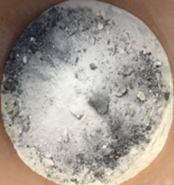 – Tantalum that is not converted from a solid into a
liquid (digestion) is intentionally captured and
reintroduced into the value-added stream.
– Tantalum that is not precipitated out of the liquid
stream (crystallization) is intentionally captured and
reintroduced into the value added stream.
– For safety and business reasons dust collectors are
used throughout the manufacturing process. The dust
collectors that capture fine tantalum particles which
are in turn re-introduced to the manufacturing process.
– Generally, all tantalum waste streams are closely tracked so losses can be
captured, recovered, and reintroduced into the value added stream.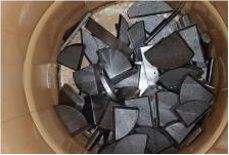 – Tantalum can escape the value-added stream
when attached to spent reagents or
consumables. This tantalum is captured and
reintroduced to the manufacturing process.
– Once the end of life cycle is reached, in-
process equipment that is made out of tantalum
is reused and recycled.
– Tantalum is recovered from various mill operations and in a variety of forms
and reintroduced into the value added stream.
In addition to the focused recovery and recycling activities associated with the tantalum and niobium metal processing at Boyertown and Aizu the manufacturing sites also generally recycle process consumables such as:
- – Extraction fluids are recovered and reused internally.
– Capacitor powder processing fluids are recovered, externally reprocessed and
reused external to GAM.
– Reduction reagents are post processed and reused internally.
– Reducing metals are recovered and externally processed into reusable metal.
– Rolling fluids and machine oils are recovered and recycled.
In summary, GAM realizes the safety, health, environmental and business importance of recovering, recycling, and reusing stewardship – use less by recycling more. To this extent, GAM works daily to responsibly and extensively recover, recycle and reuse tantalum, niobium, and associated plant consumables.